
How Can I Be a Neurodiversity-Affirming Trick-or-Treat Host This Halloween?
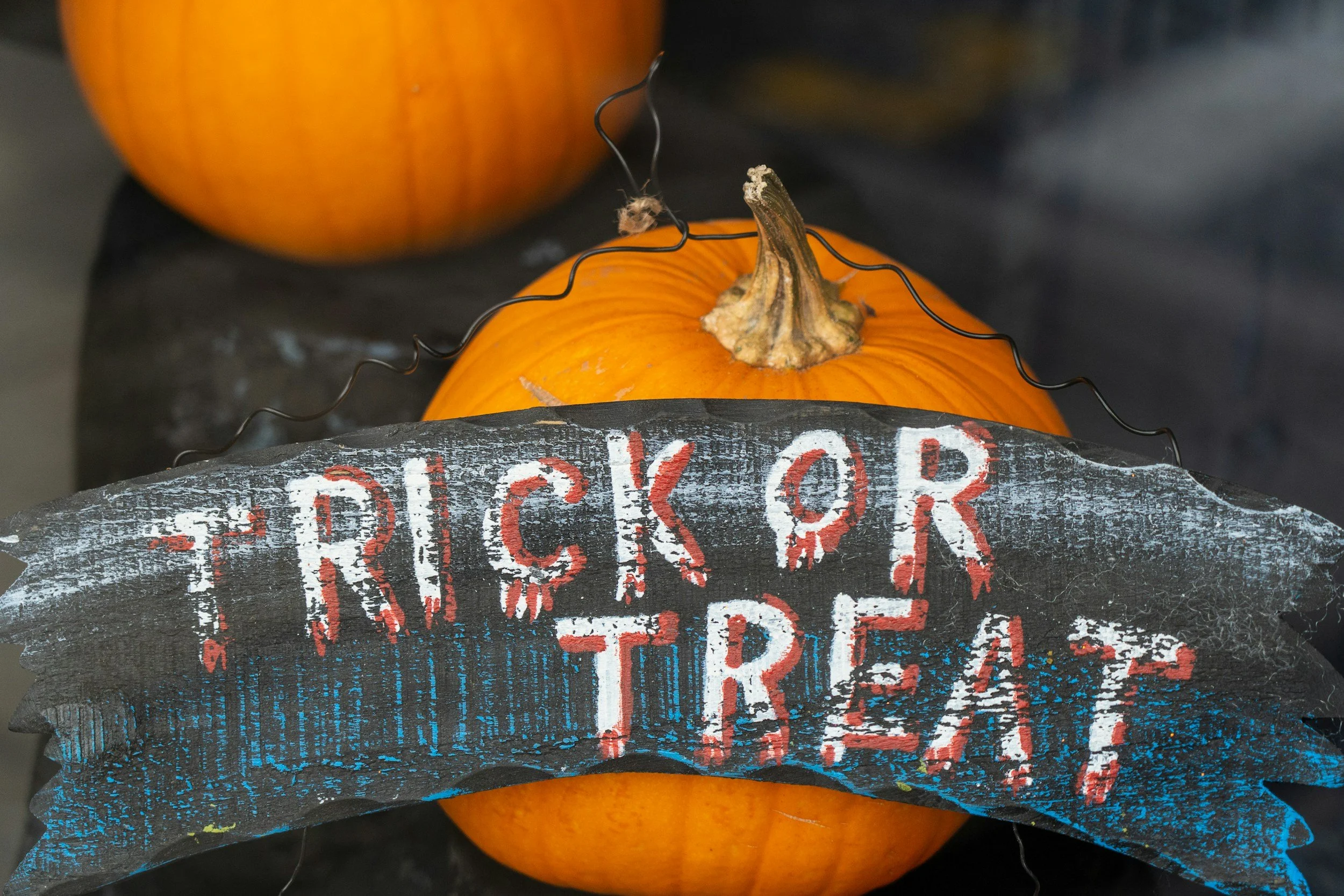
The anticipation keeps growing as the calendar gets closer to Halloween! For some children, this is one of the best days of the year. It's fun, spooky, and you end the night with a bag full of free candy! What can beat that?
For other children, the anticipation and activities of Halloween can be overwhelming and overstimulating. Every child has different preferences, and what feels exciting to one child may feel overwhelming to another. While we can't accommodate every need, we can approach those differences with understanding.
Here are some ideas for offering a more neurodiversity-affirming trick-or-treating experience for children in your neighborhood this Halloween!
1. Don't Put Pressure on Children to Say "Trick or Treat"
Not every child communicates in the same way. Some children may be nonspeaking, have difficulty speaking in certain social situations, or simply feel uncomfortable speaking to someone they don't know.
Here are some ways to make trick-or-treating more inclusive:
Let go of expectations around making eye contact, saying "trick or treat," or saying "thank you."
Don't withhold candy if a child doesn't verbally ask for it.
Accept gestures, signs, communication devices, or a caregiver speaking on a child's behalf.
Whatever the reason may be, removing the pressure to speak allows for a more inclusive and enjoyable Halloween experience!
2. Make Your Home More Sensory-Friendly
Lights, sounds, fog machines, and decorations with motion or sudden surprises can be overwhelming for some children. For some kids, these sensory experiences may cause them to become upset or avoid a house altogether.
You don't have to take down your decorations or turn off every spooky sound effect! Instead, consider whether there are small ways to make your setup more accessible for children who may experience sensory sensitivities.
Here are some ideas:
Keep walkways clear to make it easier for children who use mobility aids or need extra space to move around.
Consider turning down sounds or adjusting lights when trick-or-treaters approach.
If you have particularly loud or startling decorations, consider saving those effects for later in the evening when older children typically trick-or-treat.
Give children the option to approach your door without having to walk through decorations that may feel frightening or overwhelming.
Small adjustments can make a big difference in helping more children feel comfortable participating!
3. Respect Every Child's Costume Choices (Including No Costume at All!)
Not every child enjoys wearing a costume. Some children may find certain fabrics, masks, makeup, or accessories uncomfortable because of sensory sensitivities. Others may simply prefer to wear their everyday clothes.
Welcome children whether they're wearing elaborate costumes, comfortable clothes, or no costume at all.
Avoid questioning why a child isn't dressed up.
Don't tell a child they're not participating correctly in Halloween because they aren't wearing a costume.
4. Don't Judge a Child's Behavior
Children experience and communicate emotions differently. During Halloween, you may encounter a child who runs ahead, struggles to wait in line, becomes upset when their preferred candy isn't available, or has difficulty navigating an unfamiliar social situation.
Instead of jumping to conclusions about a child's behavior, approach the situation with patience and understanding.
Here are some things to keep in mind:
Avoid publicly correcting or embarrassing a child.
Give children extra time to respond to questions or instructions.
Keep interactions brief and simple when a child seems overwhelmed.
Remember that a child's behavior may be communicating that they're excited, overwhelmed, frustrated, or having difficulty managing their emotions.
5. Offer a Non-Food or Allergy-Friendly Option
Some children want to participate in Halloween activities but have dietary restrictions, food allergies, or other reasons they may not be able to eat traditional Halloween candy.
Offering non-food treats or allergy-friendly options can help more children safely participate.
Consider offering small toys, stickers, or other non-food treats.
If you offer allergy-friendly treats, check the packaging carefully for ingredients and allergen information.
Keep allergy-friendly options separate from candy that contains common allergens to help prevent cross-contact.
Even having just one non-food option available can help make Halloween more inclusive!
6. Be Patient When Children Are Choosing Candy
For some kids, making a choice can be difficult and take time. A bowl full of different candies can be exciting, but it can also feel overwhelming when there are so many options.
Here are a few ways to help:
Don't rush a child who is taking extra time to choose.
Give children the opportunity to make their own choices instead of immediately choosing for them.
If a child is having difficulty, allow their caregiver to step in and offer support.
Consider offering a few pieces of candy at a time rather than holding out a large bowl with many options.
7. Remind Your Kids to Be Kind
Halloween is also an opportunity to remind our own children that everyone experiences things differently. If your kids are trick-or-treating with friends without adult supervision, talk to them beforehand about being patient and respectful of other children.
Here are a few things to remind them:
Don't rush other children who are taking longer to choose their candy.
Give other children space if they need extra help walking, communicating, or navigating the environment.
Be patient if another child communicates differently or needs more time to respond.
Remember that not every child will participate in Halloween in the same way, and that's okay!
A Little Understanding Goes a Long Way
Halloween is an exciting time for many children, but it can also come with challenges that aren't always obvious to others. Being a neurodiversity-affirming trick-or-treat host doesn't mean you have to give up your favorite decorations, stop celebrating, or accommodate every possible need.
Sometimes, the smallest adjustments can help a child feel more comfortable, included, and welcome in their community. And isn't that what Halloween should be about?